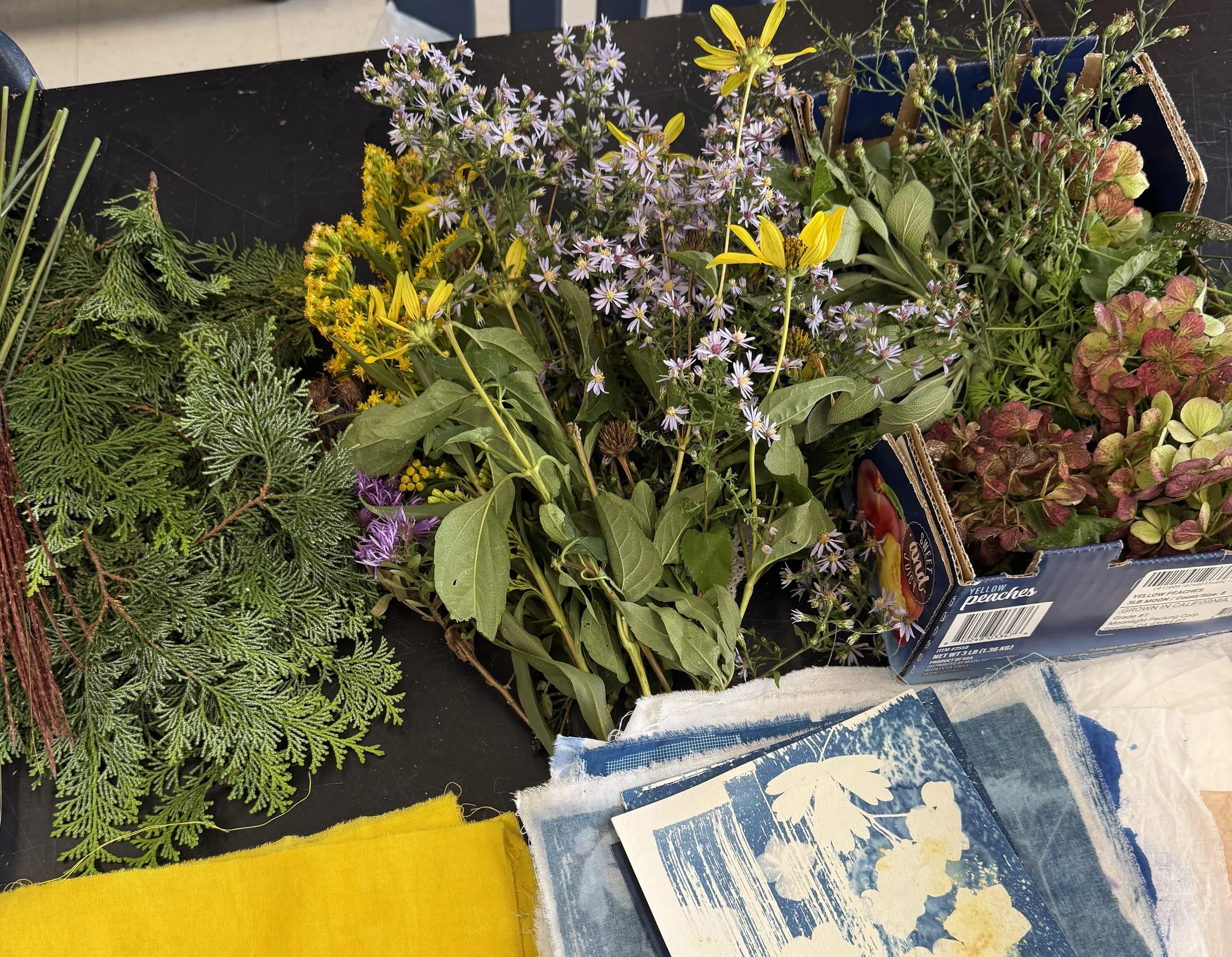
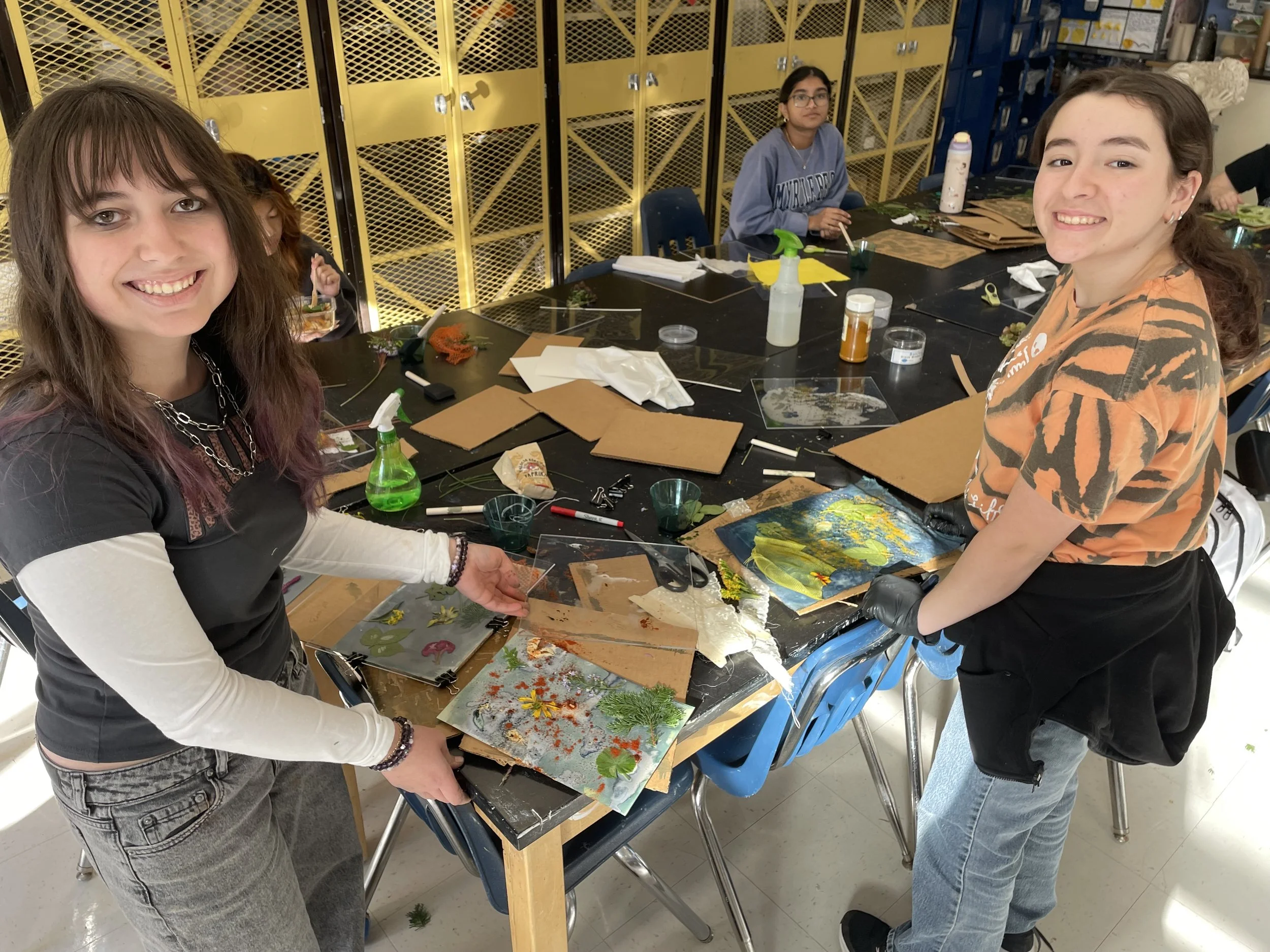
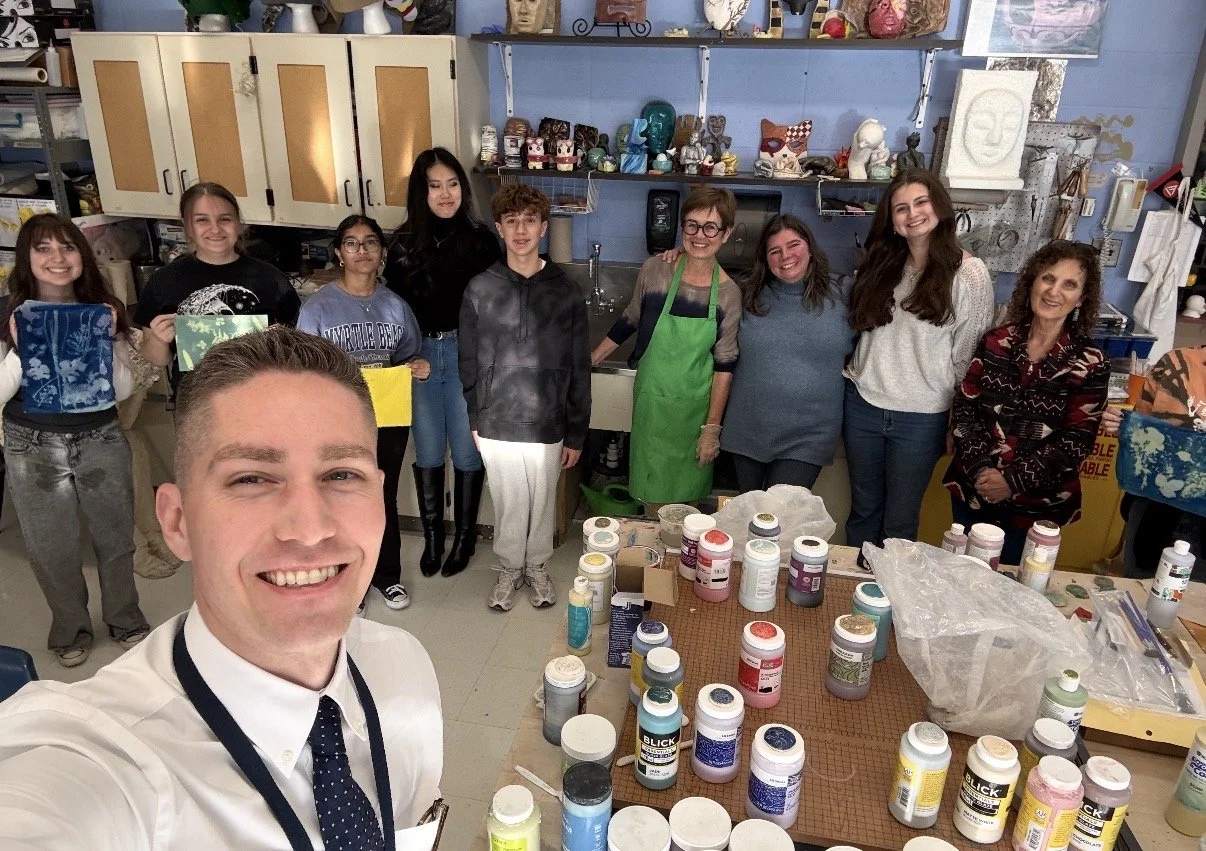
This program targeted Fashion Club students (an after-school club that meets every Tuesday), who will especially appreciate its creative, technical, and environmental value. As future designers and innovators, these students are uniquely positioned to benefit from hands-on experience with sustainable textile practices, including growing plants ,Natural Dyeing, Pigment extraction, and eco-printing.
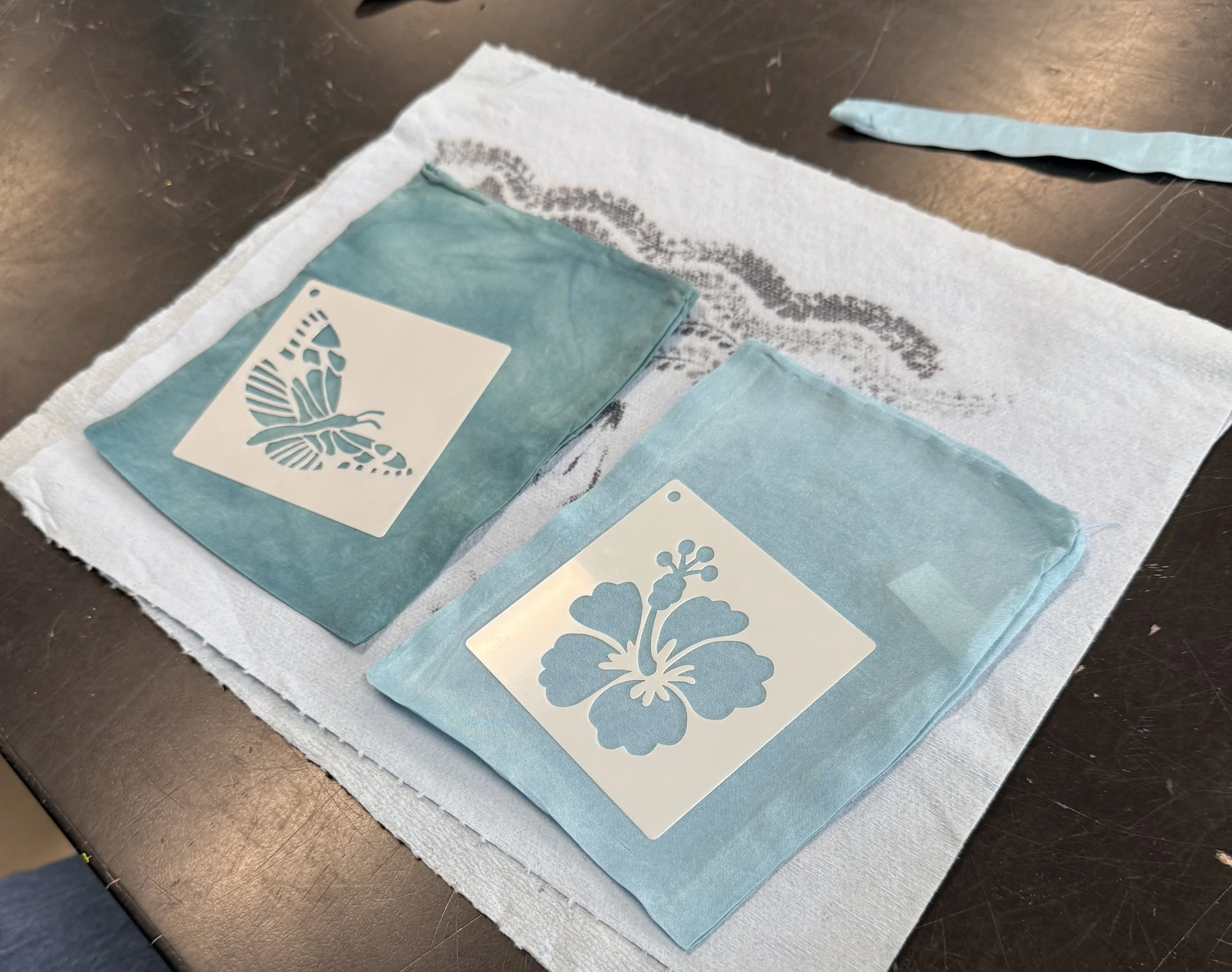
By learning how to grow dye plants, extract pigments, prepare fabrics, and apply traditional techniques such as Shibori (ancient Japanese tie-dye technique), students gain practical skills that align with modern sustainable design principles. They experience the full lifecycle of textile creation—from soil to finished garment—developing a deeper understanding of how materials, labor, and environmental impact are connected. It will run from May to December, and I will host at least eight workshops, starting in September.
In addition to technical knowledge, the program fosters environmental awareness and responsible decision-making. Students learn how their choices as designers and consumers affect ecosystems, communities, and future generations. This encourages them to approach fashion not only as an art form, but also as a social and environmental responsibility.